HOW TO GET THERE
III LO in Suwałki
III Liceum Ogólnokształcące z Oddziałami Dwujęzycznymi im. Alfreda Lityńskiego w Suwałkachul. Noniewicza 83
16-400 Suwałki, PolandOpen in Google Maps ↗
29–30 SEPTEMBER 2026 · SUWAŁKI, POLAND
Innovative Teaching for the Schools of Tomorrow
An international conference and an integral part of the Erasmus+ European Cup — the European championships for Erasmus-accredited schools.
PLAN YOUR VISIT
The conference takes place in central Suwałki. Use the full address below when planning your journey and contact the organisers if you need assistance.
HOW TO GET THERE
CONTACT
TOGETHER FOR EDUCATION
EduForward Europe 2026 is created through cooperation between schools, teacher education, academia, fact-checking experts, public institutions and the media.
 III General Secondary School with Bilingual Classes named after Alfred Lityński in SuwałkiWebsite ↗Facebook ↗Instagram · @3lo.suwalki ↗
 Suwałki Teacher Training CentreWebsite ↗Facebook ↗
 Mayor of Suwałki
 Podlaski Kurator Oświaty
 Foundation for the Development of the Education System (FRSE)
 Podlaskie Voivodeship
 Demagog Association
 University of Warmia and Mazury in Olsztyn
 Faculty of Humanities, UWM
 ChallengeEU European University Alliance
 Europa dla Aktywnych — FRSE magazine
 Radio 5 Suwałki
YOU ARE INVITED
On 29–30 September 2026, Suwałki will become a European meeting place for modern education. The Suwałki Teacher Training Centre and III General Secondary School with Bilingual Classes named after Alfred Lityński invite teachers and education professionals to EduForward Europe 2026.
Educators from across Europe will explore the digital transformation of schools, project-based learning, interdisciplinary STEAM and the importance of relationships as the foundation of learning. The programme also develops creativity, critical thinking and collaboration — key competences for the school of the twenty-first century.
Turn media literacy and fact-checking into everyday classroom practice.
Explore AI, STEAM and project-based methods through hands-on sessions.
Strengthen communication, collaboration and meaningful teacher–student relationships.
Exchange ideas with educators from across Europe and leave with practical tools.
PROGRAMME
Build your own programme during registration: select a workshop—or no workshop—in each time slot and confirm the 14:15 session on Tuesday.
Conference check-in
Welcome from the organisers and conference partners
Marcin Hościłowicz — Fake it till you make it: how critical thinking can make the world safer · Katarzyna Kochaniak — Erasmus+ Hub Białystok, FRSE
Meet, recharge and exchange ideas
Can critical thinking help young people resist manipulation, make responsible decisions and become citizens capable of changing — and perhaps even saving — the world?
Rafał Kozłowski
A practical guide to understanding disinformation and its impact on students. Participants will examine real examples, learn how to teach critical thinking and test tools for verifying potential fake news.
The workshop titled “Media literacy in practice: How to teach fact-checking and critical thinking in the classroom” is a practical compendium of knowledge on what disinformation is and how it impacts students both at school and in their daily lives. During the workshop, teachers will be equipped with knowledge about the nature and real-life examples of disinformation, how to teach critical thinking, and which tools to use to verify potential fake news.
Michał Serafin Siwkowski
Experiment with tools for text, visuals, audio, presentations and educational content—including Canva AI, NotebookLM, Suno and ElevenLabs—and combine them into simple classroom workflows.
This hands-on workshop presents a selection of practical AI tools that can help teachers create more engaging and accessible learning materials. Instead of focusing on one type of artificial intelligence, participants will explore different tools designed for text, visuals, audio, presentations and educational content.
The workshop may include tools such as Canva AI for presentations, worksheets and visual materials, NotebookLM for working with documents and source-based content, Suno for creating educational songs and music, ElevenLabs for AI-generated voice and narration, and selected tools for generating images and multimedia resources.
Participants will learn how these tools can be used to create classroom materials, adapt resources for different learners, transform traditional content into more engaging formats and support creativity in project-based learning.
The emphasis will be on practical experimentation. Teachers will test several tools and explore simple workflows showing how different AI applications can complement each other in the preparation of educational materials.
Ewelina Staszkiewicz & Marcin Hościłowicz
Explore practical ways to adapt one topic for learners with different needs, abilities, interests and ways of learning.
The workshop is designed for teachers of all subjects and all school levels, as well as educators, teacher trainers and other professionals interested in practical and inclusive teaching methods.
Participants will be introduced to the DIFERAL MOOC, developed within the international project DIFERAL—Differentiated Instruction For the Environment For All.
The main idea of DIFERAL is to show how differentiated instruction can help teachers respond to students with different needs, abilities, interests and ways of learning. Topics related to sustainability, climate, nature and responsible living are used as a practical context for applying these methods.
During the workshop, participants will explore selected parts of the MOOC and try out some of its activities. They will work with practical tasks, multimedia materials and classroom examples that show how one topic can be taught in different ways.
The workshop will be hands-on and interactive. Participants will work individually and in groups, test selected activities and discuss how they can adapt them to their own subjects, students and teaching contexts.
The aim is to provide teachers with simple, practical and ready-to-use ideas that can make learning more inclusive, engaging and accessible to different learners.
Rasa Kupryte
Explore the opportunities and challenges involved in recognising and supporting students with high learning potential in an inclusive classroom.
Led by psychologist Rasa Kupryte, this session considers how high learning potential can be both a gift and a challenge for the student, the teacher and the whole class. Participants will reflect on recognising learners’ needs and creating classroom conditions that support their development and wellbeing.
Rafał Kozłowski
A practical guide to understanding disinformation and its impact on students. Participants will examine real examples, learn how to teach critical thinking and test tools for verifying potential fake news.
The workshop titled “Media literacy in practice: How to teach fact-checking and critical thinking in the classroom” is a practical compendium of knowledge on what disinformation is and how it impacts students both at school and in their daily lives. During the workshop, teachers will be equipped with knowledge about the nature and real-life examples of disinformation, how to teach critical thinking, and which tools to use to verify potential fake news.
Michał Serafin Siwkowski
Experiment with tools for text, visuals, audio, presentations and educational content—including Canva AI, NotebookLM, Suno and ElevenLabs—and combine them into simple classroom workflows.
This hands-on workshop presents a selection of practical AI tools that can help teachers create more engaging and accessible learning materials. Instead of focusing on one type of artificial intelligence, participants will explore different tools designed for text, visuals, audio, presentations and educational content.
The workshop may include tools such as Canva AI for presentations, worksheets and visual materials, NotebookLM for working with documents and source-based content, Suno for creating educational songs and music, ElevenLabs for AI-generated voice and narration, and selected tools for generating images and multimedia resources.
Participants will learn how these tools can be used to create classroom materials, adapt resources for different learners, transform traditional content into more engaging formats and support creativity in project-based learning.
The emphasis will be on practical experimentation. Teachers will test several tools and explore simple workflows showing how different AI applications can complement each other in the preparation of educational materials.
Time to exchange educational ideas, find partners for future cooperation, present your school, or simply have fun working on methodological challenges. Participants who plan to contribute may use the optional registration note to propose a school presentation, method, approach, short workshop, task or idea for collaborative development.
Jacek Łagun
Use practical exercises in active listening and healthy emotional expression to strengthen teenagers’ self-confidence, emotional regulation and interpersonal relationships.
Emotional regulation and social connection have become growing concerns among fellow educators, with two interconnected challenges becoming increasingly evident in teenagers. For one thing, many teachers report that their students struggle to understand and articulate their own complex emotional states, which can often lead to frustration or withdrawal. What’s more, in a highly digital and fragmented world, these same students frequently find it difficult to communicate meaningfully with their peers, leading to misunderstandings and a lack of authentic connection in the classroom.
Together, these issues highlight an urgent need to actively cultivate both intra- and interpersonal communication skills within our schools. In my session, I will demonstrate how effective communication techniques can be used to address both of these challenges, helping students navigate their inner landscapes and their social environments. We are going to do a few practical exercises focused on developing active listening skills and facilitating healthy emotional expression. You’ll be leaving the workshop equipped with tangible tools that support your students’ self-confidence and enable them to build the healthy interpersonal relationships crucial for their personal and social development.
Marcin Hościłowicz
Explore accessible activities and classroom strategies that help students question information, recognise manipulation and make well-informed decisions.
How can teachers help students question information, recognise manipulation and make well-informed decisions? This practical workshop introduces accessible activities and classroom strategies that develop critical thinking across different subjects, topics and age groups. Participants will explore ways of evaluating sources, identifying misleading content, distinguishing facts from opinions, challenging assumptions and encouraging students to ask better questions.
The workshop will show that critical thinking does not have to be taught as a separate subject or require major changes to the curriculum. Through practical examples and collaborative tasks, participants will discover how short critical-thinking activities can become a natural part of everyday lessons. They will leave with adaptable ideas that can be used to help students become more independent, reflective and responsible learners—both in the classroom and in the digital world.
Czesław Kiński
Rethink focus in language education and discover classroom strategies that help learners develop sustained attention, intellectual curiosity and the competencies needed for an unpredictable future.
Focus has become a growing concern among fellow educators, with two interconnected challenges becoming increasingly evident. First, many teachers report that their students’ attention spans seem to be diminishing, turning each lesson into a struggle against distractions of all sorts. Second, in a rapidly evolving world, we often find ourselves uncertain about which knowledge, skills, and competencies we should prioritize in order to prepare students for a future that is both fascinating and unpredictable.
Together, these issues highlight an urgent need to rethink how we understand and cultivate focus in language education, not only in our learners, but also in our own pedagogical decision-making. In my session, I will demonstrate how the core values of STREAM education can be meaningfully applied to foreign language teaching to address both of these challenges. I will provide practical strategies and classroom examples that help our students develop sustained attention and intellectual curiosity. You’ll be leaving the meeting better prepared to design focus-oriented classes that will equip your students with the language skills and cognitive competencies they will need in the complex world they are entering.
Czesław Kiński
Rethink focus in language education and discover classroom strategies that help learners develop sustained attention, intellectual curiosity and the competencies needed for an unpredictable future.
Focus has become a growing concern among fellow educators, with two interconnected challenges becoming increasingly evident. First, many teachers report that their students’ attention spans seem to be diminishing, turning each lesson into a struggle against distractions of all sorts. Second, in a rapidly evolving world, we often find ourselves uncertain about which knowledge, skills, and competencies we should prioritize in order to prepare students for a future that is both fascinating and unpredictable.
Together, these issues highlight an urgent need to rethink how we understand and cultivate focus in language education, not only in our learners, but also in our own pedagogical decision-making. In my session, I will demonstrate how the core values of STREAM education can be meaningfully applied to foreign language teaching to address both of these challenges. I will provide practical strategies and classroom examples that help our students develop sustained attention and intellectual curiosity. You’ll be leaving the meeting better prepared to design focus-oriented classes that will equip your students with the language skills and cognitive competencies they will need in the complex world they are entering.
Jacek Łagun
Use practical exercises in active listening and healthy emotional expression to strengthen teenagers’ self-confidence, emotional regulation and interpersonal relationships.
Emotional regulation and social connection have become growing concerns among fellow educators, with two interconnected challenges becoming increasingly evident in teenagers. For one thing, many teachers report that their students struggle to understand and articulate their own complex emotional states, which can often lead to frustration or withdrawal. What’s more, in a highly digital and fragmented world, these same students frequently find it difficult to communicate meaningfully with their peers, leading to misunderstandings and a lack of authentic connection in the classroom.
Together, these issues highlight an urgent need to actively cultivate both intra- and interpersonal communication skills within our schools. In my session, I will demonstrate how effective communication techniques can be used to address both of these challenges, helping students navigate their inner landscapes and their social environments. We are going to do a few practical exercises focused on developing active listening skills and facilitating healthy emotional expression. You’ll be leaving the workshop equipped with tangible tools that support your students’ self-confidence and enable them to build the healthy interpersonal relationships crucial for their personal and social development.
Marcin Hościłowicz · IMPORTANT · SESSION IN POLISH
Discover how eTwinning works, how it supports teachers, students and schools, and where to find partners, inspiration and professional development opportunities on the European School Education Platform.
This workshop is designed for teachers who would like to begin their eTwinning journey and discover the opportunities offered by international school collaboration. Participants will learn how the programme works, how it benefits teachers, students and the whole school community, and how eTwinning can be incorporated into everyday teaching. During the practical part of the workshop, participants will explore the European School Education Platform (ESEP), receive support with registering or activating their accounts, and find out where to look for project partners, inspiration, professional development opportunities and examples of successful projects. The workshop will demonstrate that getting started with eTwinning can be simple and requires no previous project experience.
Eleni Malandraki
See how an animated narrator avatar and an AI chatbot were created and used in a Greek–Polish Erasmus+ intervention, then identify a challenging concept that an AI companion could support in your subject.
This hands-on workshop introduces two accessible AI tools that any teacher can create and use: an animated narrator avatar and an AI chatbot assistant. Drawing on a real classroom intervention for teaching the exponential function—developed on the Edivea platform and implemented within a Greek–Polish Erasmus+ collaboration—the session shows how each tool was designed, built and used with students.
Participants will meet the avatar “Euler,” see step by step how it was created using everyday AI tools (image generation and simple animation), and then explore how the AI chatbot was built. Through a shared Padlet, participants will contribute their own ideas—identifying where an avatar or a chatbot could support a “hard concept” in their own subject.
The workshop closes with the research findings on how students actually engaged with these tools—including a striking, counter-intuitive result—and an invitation to build a community for sharing digital materials and good practices across Europe.
Jacek Łagun & Czesław Kiński
Discover quick ways to form groups, move beyond speaking-only pairwork and use collaboration to teach writing, listening and reading—with students also learning as peer teachers.
Have you ever watched your students drag their feet when asked to work with anyone other than their absolute best friend? It’s a familiar struggle for many of us, turning simple collaborative tasks into a battle against classroom comfort zones. On top of that, even when we do get them into groups, we often find ourselves stuck in a rut—using pairwork almost exclusively for speaking practice. We know collaborative learning is incredibly powerful, but it can be surprisingly tricky to figure out how to effectively weave it into other essential language skills like reading, writing, and listening.
If any of this sounds familiar, you should definitely take part in this workshop! In my session, I’m going to present a number of quick, effortless ways to divide your students into any group arrangement you need—without the usual complaints. Next, I’ll show you how to break out of the “speaking-only” box and use groupwork to successfully teach writing, listening, and reading. Last, but not least, I’ll demonstrate how you can use your students as peer teachers to make their learning much more efficient. You’ll leave the meeting with a toolkit full of practical, fun strategies to get everyone working together and learning from each other!
Marcin Hościłowicz · IMPORTANT · SESSION IN POLISH
Test practical digital tools for communication, international collaboration, content creation, task organisation and presenting students’ work, with a focus on participation, teamwork and creativity.
This practical workshop is intended for teachers already registered with eTwinning who would like to enrich their projects and lessons with engaging digital solutions. Participants will explore selected tools that can support communication, international collaboration, content creation, task organisation and the presentation of students’ work and project results. During the workshop, participants will have an opportunity to test the tools themselves and consider how they could be used in their own projects or lessons. The session will focus on simple and practical applications of technology that encourage student participation, teamwork and creativity while helping teachers improve the overall quality of their eTwinning projects.
REGISTRATION PROCESS
Registration is completed online. Review the programme, submit your details and choose any number of workshops — or none. You can also choose whether to attend Tuesday's Educational Coffee Shop and, if attending, add an optional contribution note.
Compare the three available workshops in each time slot before opening the form.
Enter the information required for conference administration and participation documentation.
Select as many workshops as you wish — or none. Tuesday's Educational Coffee Shop is optional.
Submit the form and keep the registration reference displayed on screen.
The form records the details needed to organise participation and reserve your selected workshops.
Open the registration form ↗WORKSHOPS
Every session is built around practical experimentation, classroom-ready strategies and meaningful professional exchange.
MEDIA LITERACY
A practical guide to understanding disinformation and its impact on students. Participants will examine real examples, learn how to teach critical thinking and test tools for verifying potential fake news.
The workshop titled “Media literacy in practice: How to teach fact-checking and critical thinking in the classroom” is a practical compendium of knowledge on what disinformation is and how it impacts students both at school and in their daily lives. During the workshop, teachers will be equipped with knowledge about the nature and real-life examples of disinformation, how to teach critical thinking, and which tools to use to verify potential fake news.
ARTIFICIAL INTELLIGENCE
Experiment with tools for text, visuals, audio, presentations and educational content—including Canva AI, NotebookLM, Suno and ElevenLabs—and combine them into simple classroom workflows.
This hands-on workshop presents a selection of practical AI tools that can help teachers create more engaging and accessible learning materials. Instead of focusing on one type of artificial intelligence, participants will explore different tools designed for text, visuals, audio, presentations and educational content.
The workshop may include tools such as Canva AI for presentations, worksheets and visual materials, NotebookLM for working with documents and source-based content, Suno for creating educational songs and music, ElevenLabs for AI-generated voice and narration, and selected tools for generating images and multimedia resources.
Participants will learn how these tools can be used to create classroom materials, adapt resources for different learners, transform traditional content into more engaging formats and support creativity in project-based learning.
The emphasis will be on practical experimentation. Teachers will test several tools and explore simple workflows showing how different AI applications can complement each other in the preparation of educational materials.
AI + CLASSROOM PRACTICE
See how an animated narrator avatar and an AI chatbot were created and used in a Greek–Polish Erasmus+ intervention, then identify a challenging concept that an AI companion could support in your subject.
This hands-on workshop introduces two accessible AI tools that any teacher can create and use: an animated narrator avatar and an AI chatbot assistant. Drawing on a real classroom intervention for teaching the exponential function—developed on the Edivea platform and implemented within a Greek–Polish Erasmus+ collaboration—the session shows how each tool was designed, built and used with students.
Participants will meet the avatar “Euler,” see step by step how it was created using everyday AI tools (image generation and simple animation), and then explore how the AI chatbot was built. Through a shared Padlet, participants will contribute their own ideas—identifying where an avatar or a chatbot could support a “hard concept” in their own subject.
The workshop closes with the research findings on how students actually engaged with these tools—including a striking, counter-intuitive result—and an invitation to build a community for sharing digital materials and good practices across Europe.
FOCUS + STREAM
Rethink focus in language education and discover classroom strategies that help learners develop sustained attention, intellectual curiosity and the competencies needed for an unpredictable future.
Focus has become a growing concern among fellow educators, with two interconnected challenges becoming increasingly evident. First, many teachers report that their students’ attention spans seem to be diminishing, turning each lesson into a struggle against distractions of all sorts. Second, in a rapidly evolving world, we often find ourselves uncertain about which knowledge, skills, and competencies we should prioritize in order to prepare students for a future that is both fascinating and unpredictable.
Together, these issues highlight an urgent need to rethink how we understand and cultivate focus in language education, not only in our learners, but also in our own pedagogical decision-making. In my session, I will demonstrate how the core values of STREAM education can be meaningfully applied to foreign language teaching to address both of these challenges. I will provide practical strategies and classroom examples that help our students develop sustained attention and intellectual curiosity. You’ll be leaving the meeting better prepared to design focus-oriented classes that will equip your students with the language skills and cognitive competencies they will need in the complex world they are entering.
COMMUNICATION
Use practical exercises in active listening and healthy emotional expression to strengthen teenagers’ self-confidence, emotional regulation and interpersonal relationships.
Emotional regulation and social connection have become growing concerns among fellow educators, with two interconnected challenges becoming increasingly evident in teenagers. For one thing, many teachers report that their students struggle to understand and articulate their own complex emotional states, which can often lead to frustration or withdrawal. What’s more, in a highly digital and fragmented world, these same students frequently find it difficult to communicate meaningfully with their peers, leading to misunderstandings and a lack of authentic connection in the classroom.
Together, these issues highlight an urgent need to actively cultivate both intra- and interpersonal communication skills within our schools. In my session, I will demonstrate how effective communication techniques can be used to address both of these challenges, helping students navigate their inner landscapes and their social environments. We are going to do a few practical exercises focused on developing active listening skills and facilitating healthy emotional expression. You’ll be leaving the workshop equipped with tangible tools that support your students’ self-confidence and enable them to build the healthy interpersonal relationships crucial for their personal and social development.
COLLABORATIVE LEARNING
Discover quick ways to form groups, move beyond speaking-only pairwork and use collaboration to teach writing, listening and reading—with students also learning as peer teachers.
Have you ever watched your students drag their feet when asked to work with anyone other than their absolute best friend? It’s a familiar struggle for many of us, turning simple collaborative tasks into a battle against classroom comfort zones. On top of that, even when we do get them into groups, we often find ourselves stuck in a rut—using pairwork almost exclusively for speaking practice. We know collaborative learning is incredibly powerful, but it can be surprisingly tricky to figure out how to effectively weave it into other essential language skills like reading, writing, and listening.
If any of this sounds familiar, you should definitely take part in this workshop! In my session, I’m going to present a number of quick, effortless ways to divide your students into any group arrangement you need—without the usual complaints. Next, I’ll show you how to break out of the “speaking-only” box and use groupwork to successfully teach writing, listening, and reading. Last, but not least, I’ll demonstrate how you can use your students as peer teachers to make their learning much more efficient. You’ll leave the meeting with a toolkit full of practical, fun strategies to get everyone working together and learning from each other!
DIFFERENTIATED INSTRUCTION · DIFERAL
Explore practical ways to adapt one topic for learners with different needs, abilities, interests and ways of learning.
The workshop is designed for teachers of all subjects and all school levels, as well as educators, teacher trainers and other professionals interested in practical and inclusive teaching methods.
Participants will be introduced to the DIFERAL MOOC, developed within the international project DIFERAL—Differentiated Instruction For the Environment For All.
The main idea of DIFERAL is to show how differentiated instruction can help teachers respond to students with different needs, abilities, interests and ways of learning. Topics related to sustainability, climate, nature and responsible living are used as a practical context for applying these methods.
During the workshop, participants will explore selected parts of the MOOC and try out some of its activities. They will work with practical tasks, multimedia materials and classroom examples that show how one topic can be taught in different ways.
The workshop will be hands-on and interactive. Participants will work individually and in groups, test selected activities and discuss how they can adapt them to their own subjects, students and teaching contexts.
The aim is to provide teachers with simple, practical and ready-to-use ideas that can make learning more inclusive, engaging and accessible to different learners.
HIGH LEARNING POTENTIAL
Explore the opportunities and challenges involved in recognising and supporting students with high learning potential in an inclusive classroom.
Led by psychologist Rasa Kupryte, this session considers how high learning potential can be both a gift and a challenge for the student, the teacher and the whole class. Participants will reflect on recognising learners’ needs and creating classroom conditions that support their development and wellbeing.
CRITICAL THINKING
Explore accessible activities and classroom strategies that help students question information, recognise manipulation and make well-informed decisions.
How can teachers help students question information, recognise manipulation and make well-informed decisions? This practical workshop introduces accessible activities and classroom strategies that develop critical thinking across different subjects, topics and age groups. Participants will explore ways of evaluating sources, identifying misleading content, distinguishing facts from opinions, challenging assumptions and encouraging students to ask better questions.
The workshop will show that critical thinking does not have to be taught as a separate subject or require major changes to the curriculum. Through practical examples and collaborative tasks, participants will discover how short critical-thinking activities can become a natural part of everyday lessons. They will leave with adaptable ideas that can be used to help students become more independent, reflective and responsible learners—both in the classroom and in the digital world.
ETWINNING · START HERE
Discover how eTwinning works, how it supports teachers, students and schools, and where to find partners, inspiration and professional development opportunities on the European School Education Platform.
This workshop is designed for teachers who would like to begin their eTwinning journey and discover the opportunities offered by international school collaboration. Participants will learn how the programme works, how it benefits teachers, students and the whole school community, and how eTwinning can be incorporated into everyday teaching. During the practical part of the workshop, participants will explore the European School Education Platform (ESEP), receive support with registering or activating their accounts, and find out where to look for project partners, inspiration, professional development opportunities and examples of successful projects. The workshop will demonstrate that getting started with eTwinning can be simple and requires no previous project experience.
ETWINNING · DIGITAL PRACTICE
Test practical digital tools for communication, international collaboration, content creation, task organisation and presenting students’ work, with a focus on participation, teamwork and creativity.
This practical workshop is intended for teachers already registered with eTwinning who would like to enrich their projects and lessons with engaging digital solutions. Participants will explore selected tools that can support communication, international collaboration, content creation, task organisation and the presentation of students’ work and project results. During the workshop, participants will have an opportunity to test the tools themselves and consider how they could be used in their own projects or lessons. The session will focus on simple and practical applications of technology that encourage student participation, teamwork and creativity while helping teachers improve the overall quality of their eTwinning projects.
SPEAKERS
Meet educators, researchers and trainers who turn current challenges into practical possibilities for schools.
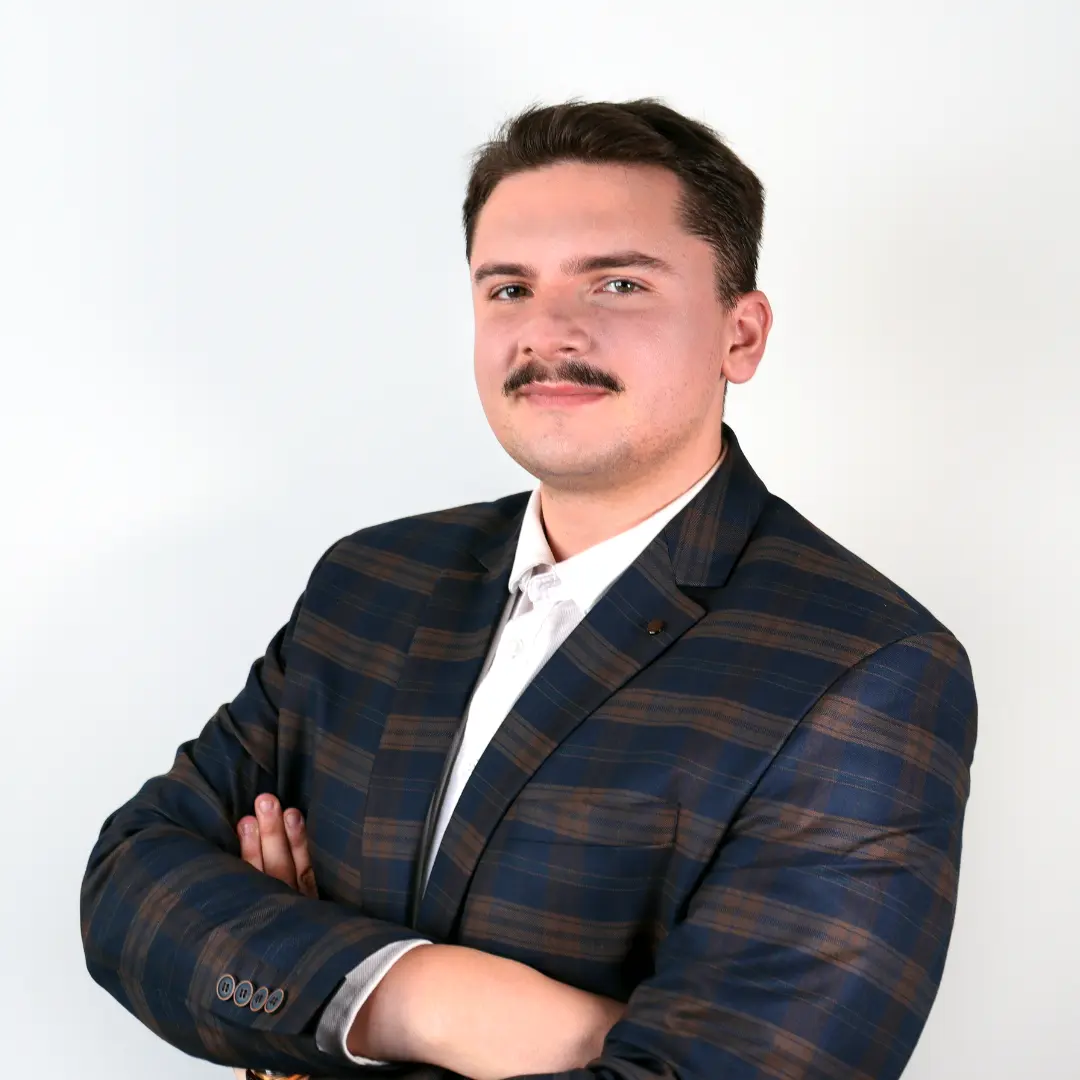
Training Specialist · Demagog Association
Rafał Kozłowski is an expert in media literacy and critical thinking. As a co-creator of the flagship Fact-checking Academy project, he leads training sessions and workshops for non-governmental organisations, businesses, students and teachers.
In his work, he values an individual approach to the specific challenges people face when navigating information and public debate.
He is a political science graduate of Maria Curie-Skłodowska University in Lublin. He specialises in the sociology of politics, with a particular focus on how propaganda and political marketing influence individuals.
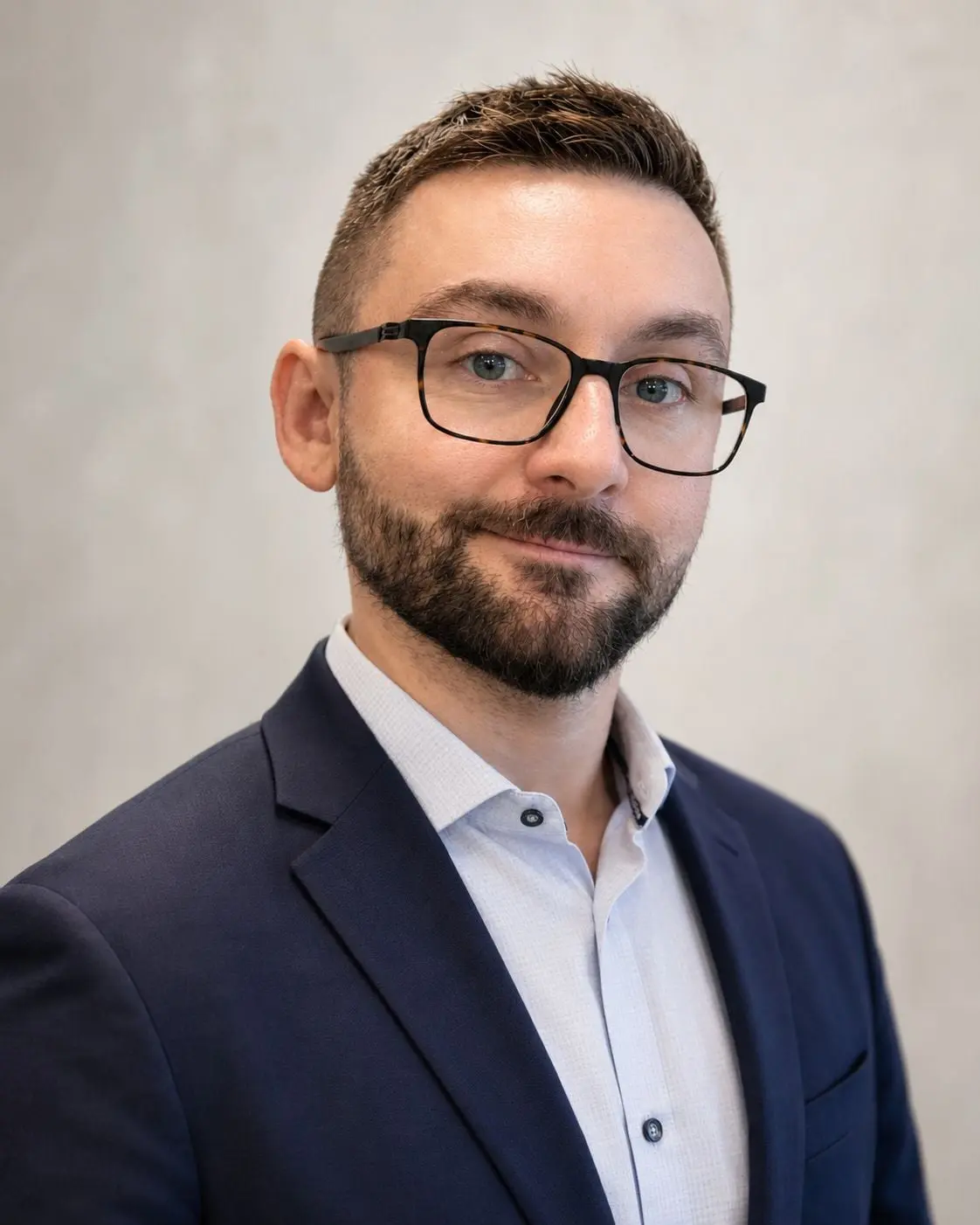
Teacher · eTwinning Ambassador · Erasmus+ Expert
Michał Serafin Siwkowski is a certified English teacher with 15 years of pedagogical experience. Since 2019, he has worked at the Educational Institutions Complex in Olsztyn, Poland, where he specialises in teaching students with autism and disabilities.
He is the regional eTwinning Ambassador for the Warmian-Masurian Voivodeship and an expert for Erasmus+ and the European Solidarity Corps. He leads national and international training for teachers focused on AI, VR/AR and inclusive education.
Michał is also the author of methodological publications and lesson scenarios, including the international projects AI Masters, AI Symphony of Emotions and Codebreaker Chronicles. He moderates the eTwinning group Digital Skills for Pupils and Teachers, which includes AI and SELFIE tools.

University of Warmia and Mazury
Dr Czesław Kiński is an academic teacher and staff member of the English Philology Department at the University of Warmia and Mazury. He trains future teachers and researches the role of emotions in foreign-language learning.
His professional experience includes teaching and serving as Deputy Director of Studies at the English Perfect language school, collaborating with Macmillan as a trainer and co-author of textbook materials, and working as a Cambridge Assessment English examiner.
He is a conference speaker and co-author of Teaching and Learning English: Education for Life. His book Relationship Matters explores the impact of teacher behaviour on the emotions of foreign-language learners.
BEYOND EDUCATIONRunning, reading and playing the guitar — though not necessarily all at the same time.
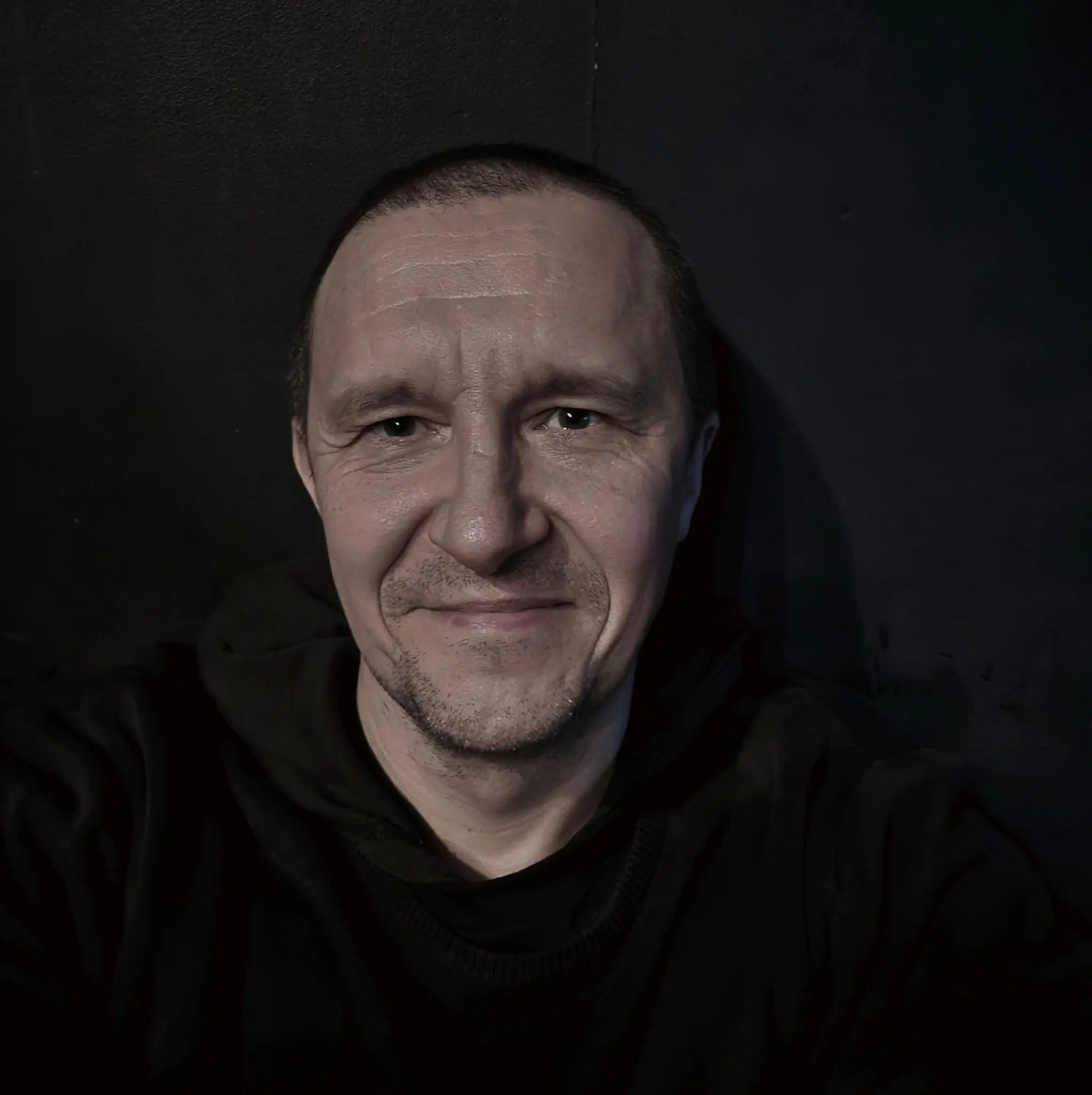
Teacher Educator · Cambridge Examiner
Dr Jacek Łagun has more than 30 years of teaching experience. He graduated from the English Teacher Training College in Olsztyn and earned his master’s degree from the University of Gdańsk before completing a PhD on taboo subjects and linguistic taboos among young adults.
He has worked at the English Perfect language school since 1997, served as its Assistant Director of Studies, examined for Cambridge since 2003 and lectured at the University of Warmia and Mazury since 2007.
Jacek co-authors English-learning books and materials for several major series. His main professional interests include group dynamics, positive motivation and the thoughtful use of controversial topics in English-language teaching.
BEYOND EDUCATIONBasketball, long cycling trips through the Warmian forests and playing bass guitar.

Chemistry Teacher · EcoLab Coordinator · DIFERAL Speaker
Ewelina Staszkiewicz is a chemistry teacher at III Liceum Ogólnokształcące z Oddziałami Dwujęzycznymi im. Alfreda Lityńskiego w Suwałkach, Poland. She is actively involved in developing innovative, inclusive and student-centred teaching practices.
She coordinates EcoLab, a school volunteering initiative that engages students in environmental, social and charity activities and encourages them to take an active role in their school and local community.
Ewelina contributes to international and educational projects, including DIFERAL — Differentiated Instruction For the Environment For All — and Erasmus+. Her professional interests include differentiated instruction, practical science education, sustainability and international cooperation.
She values the exchange of good practice, collaboration with teachers from different countries and new teaching methods that respond to the diverse needs of learners.
BEYOND EDUCATIONPainting, tennis and travelling.

Teacher Trainer · eTwinning Ambassador · Erasmus+ Coordinator
Marcin Hościłowicz is an English teacher, teacher trainer, eTwinning Ambassador and Erasmus+ coordinator at III Liceum Ogólnokształcące z Oddziałami Dwujęzycznymi im. Alfreda Lityńskiego w Suwałkach, Poland.
He has extensive experience in international education, project-based learning and teacher professional development. For many years, he has coordinated European educational projects focused on critical thinking, media literacy, active citizenship, inclusion and innovative teaching methods.
As a teacher trainer and methodological advisor, he leads workshops, training sessions and conference talks for teachers. He also contributes to DIFERAL and the development and promotion of differentiated and inclusive teaching approaches.
Marcin values international collaboration, the exchange of good practice and practical solutions that can be used directly in the classroom.
BEYOND EDUCATIONMusic, cycling and travelling. He plays bass guitar in the post-punk band DRAH and enjoys long-distance cycling.
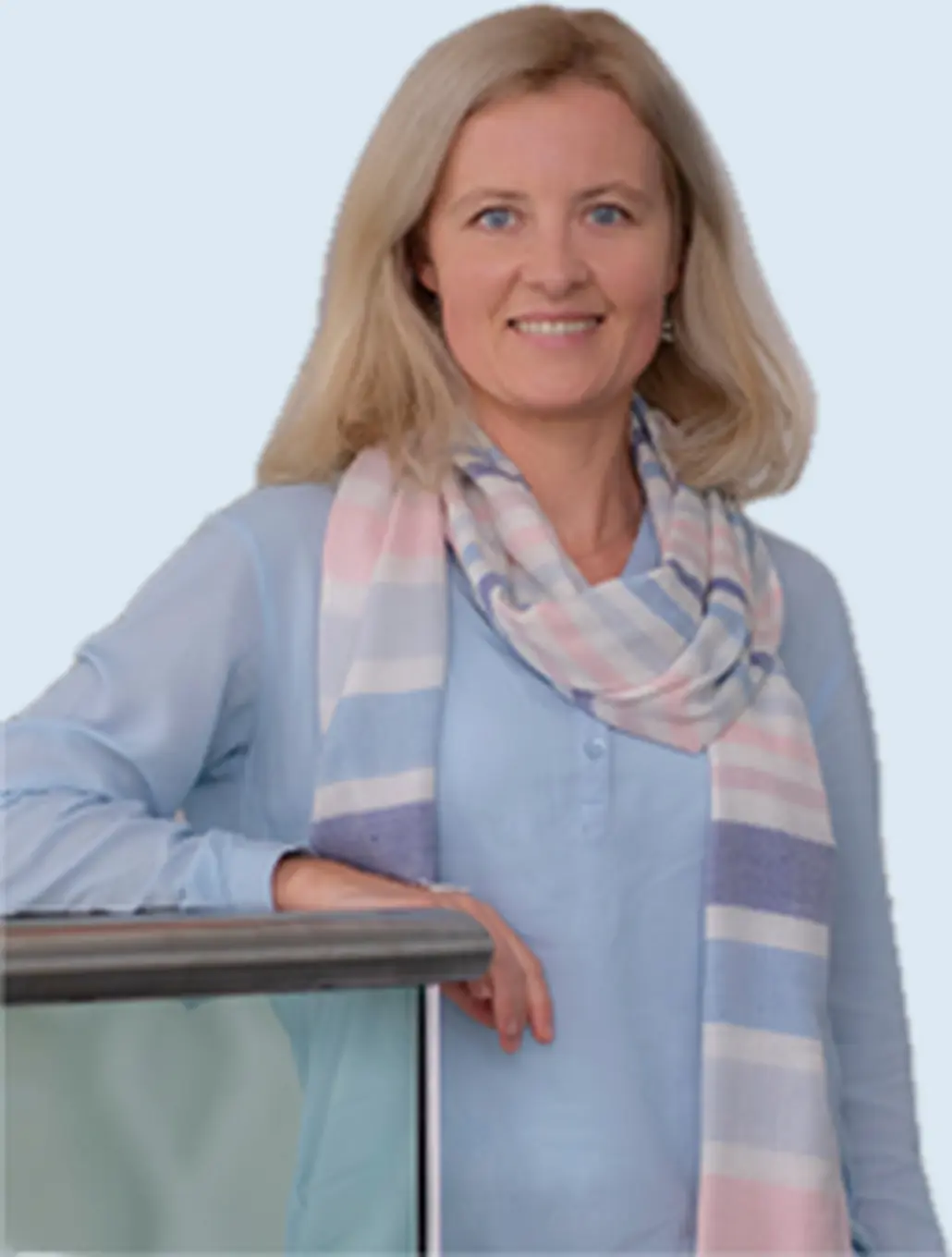
Erasmus+ InnHUB Białystok · FRSE Expert
Katarzyna Kochaniak is an expert at the Foundation for the Development of the Education System (FRSE) and represents Erasmus+ InnHUB Białystok, the programme's regional centre in the Podlaskie Voivodeship.
She supports schools, universities, non-governmental organisations and other institutions in exploring Erasmus+ opportunities and understanding the programme's project formats, rules and development possibilities.
Katarzyna contributes to regional information meetings and consultations, helping organisations connect European cooperation with practical educational development and high-quality project planning.
CONFERENCE FOCUSErasmus+ opportunities, regional cooperation and practical support for institutions developing international education projects.
Mathematics Teacher · Heraklion, Crete
Eleni Malandraki is a secondary-school mathematics teacher based in Heraklion, Crete, with more than eight years of experience in the Greek public school system.
Her background combines strong foundations in pure and applied mathematics with modern educational technologies. She continually explores ways to integrate ICT and artificial intelligence into mathematics education so that learning becomes more engaging and accessible.
Her conference workshop draws on a real intervention for teaching the exponential function, developed on the Edivea platform and implemented within a Greek–Polish Erasmus+ collaboration.
Eleni values opportunities to connect with educators from across Europe, exchange creative teaching practices and develop new collaborative ideas.
Portrait to be added
Psychologist · Panevėžys Vyturys Progymnasium · Lithuania
Rasa Kupryte is a psychologist at Panevėžys Vyturys Progymnasium in Lithuania. At EduForward Europe 2026, she will lead a session on recognising and supporting students with high learning potential in the classroom.
PRESENTATION TOPICHigh learning potential students in the class: gift or challenge?
REGISTRATION
Complete the form and choose the workshops you want to attend in every time slot.
Choose your workshops ↗STAY IN SUWAŁKI
These are possible places to stay in and around Suwałki. Availability and rates change, so please check the property website and book directly.
Hotel · central Suwałki
A hotel near the Suwałki Aquapark and Suwałki Cultural Centre.
Visit website ↗Hotel · southern Suwałki
Single, double and triple rooms, as well as apartments.
Visit website ↗Hotel and apartments · central Suwałki
Rooms, studios and apartments close to the city centre.
Visit website ↗Hotel · city centre
A central hotel next to the Czarna Hańcza river and park.
Visit website ↗Hotel · city centre
Single, double, triple and quadruple rooms, plus studios.
Visit website ↗Budget accommodation · near Arkadia reservoir
Guest rooms and studios by the city sports and recreation area.
Visit website ↗Guesthouse · outside the city centre
A quiet lakeside option near Wigry National Park; check onward transport before booking.
Visit website ↗Looking for another option? Browse the official Suwałki tourism accommodation directory ↗